
Close Menu
Techwetalk

    Subscribe to Updates

    Get the latest creative news from FooBar about art, design and business.

    What's Hot

    How Honeybees Remember Flower Routes Across Changing Fields

    November 2, 2026

    Divers Monitor Coral Reefs to Guide Restoration Work

    November 2, 2026

    Seaweed-Based Foods Gain Attention for Iodine and Gut Health

    November 2, 2026
    Facebook X (Twitter) Instagram
    Techwetalk
    • Home
    • AI
    • World News
    • Cybersecurity
    • Gaming
    • Reviews
    • Software
    • Startup
    Techwetalk
    Home»Blog»How Honeybees Remember Flower Routes Across Changing Fields
    Blog

    How Honeybees Remember Flower Routes Across Changing Fields

    Damon WoodBy Damon WoodNovember 2, 2026No Comments3 Mins Read0 Views
    Share Facebook Twitter Pinterest LinkedIn Tumblr Email WhatsApp Copy Link
    Follow Us
    Google News Flipboard Threads
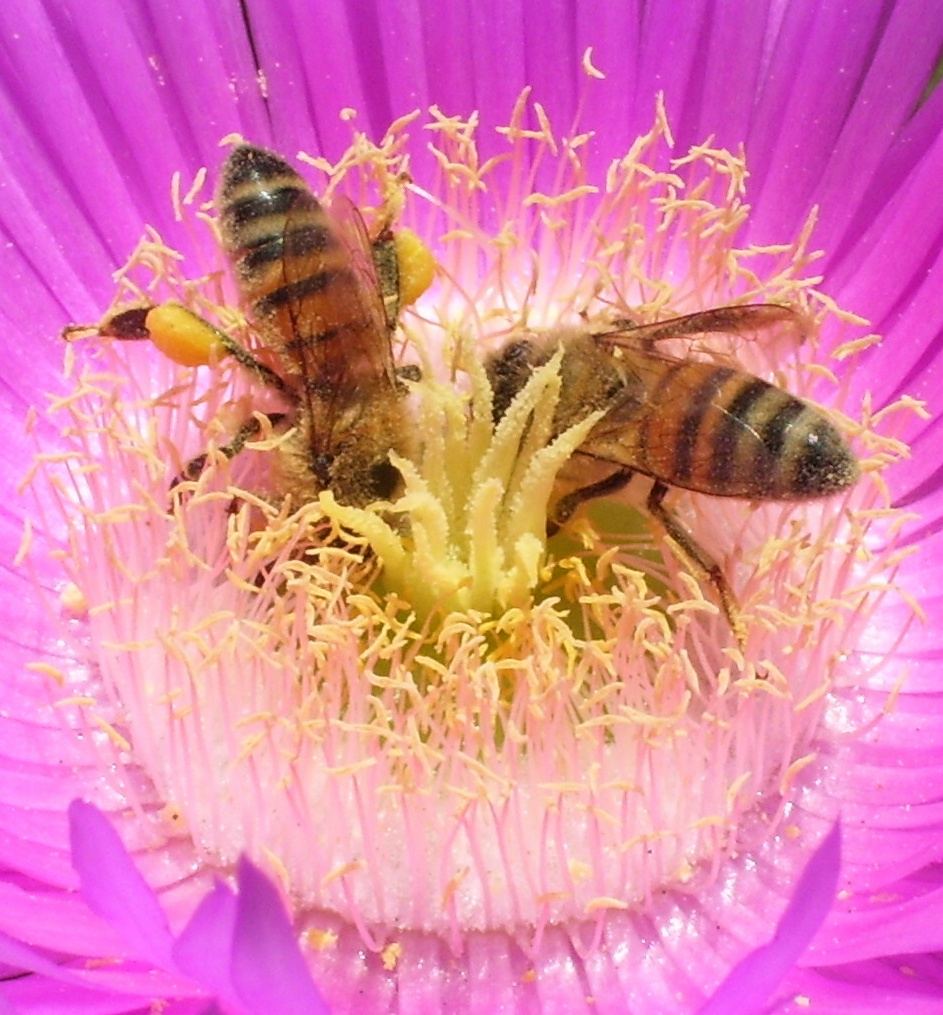
    Honeybee collecting pollen from a bright flower in close view
    Share
    Facebook Twitter LinkedIn Pinterest Email Copy Link

    Honeybees navigate fields that change week by week as crops bloom, fade, and are harvested. New field research shows colonies update their foraging maps quickly, combining scent, colour, and landmark cues rather than relying on a single route. Scouts share distance and direction information back at the hive, while experienced foragers test alternatives when a familiar patch stops producing nectar or pollen for the colony. Observers say the pattern is becoming clearer as more real world examples are documented and compared carefully over time.

    What the Evidence Shows

    Understanding this flexible navigation matters beyond beekeeping. Healthy pollination depends on bees reaching diverse flowers across a season, which supports crop yields and wild plant reproduction. Researchers say protecting hedgerows, field margins, and varied planting helps bees maintain reference points. When landscapes become uniform or heavily sprayed, colonies spend more energy searching, collect less food, and face higher stress during already difficult weather periods for local ecosystems. Taken together, these steps point toward practical progress that can be measured, shared, and improved by others facing similar challenges. Reporting and analysis from sources such as NASA track the same developments, and specialists following honeybee route memory say the direction is now consistent across independent lines of evidence.

    The Wider Context

    Funding bodies are watching honeybee route memory closely because the work sits at the junction of basic curiosity and practical return. Grant panels increasingly ask for a path from discovery to application, while researchers push back that the most valuable uses of fundamental science are rarely the ones written into the original proposal. The tension is productive when both sides stay honest about timescales.

    What Happens Next

    The long view on honeybee route memory is that fields advance by accumulation rather than by single announcements. This result adds a solid, checkable piece to a structure many teams are building, and its authors have shared their data so the piece can be tested from every side. That is how the picture eventually becomes reliable enough to act on. You can follow related developments in our coverage of science.

    It is also worth remembering how quickly the picture in this area has changed before. Positions that looked settled a few years ago have been revised as new data arrived, and the same humility is appropriate now. The strongest coverage of this subject, and the most useful advice, tends to come from sources that update their views openly when the facts move, rather than defending an earlier position long after it has stopped fitting the evidence available.

    None of this will be settled by a single announcement, study or product launch. The pattern to watch is accumulation: independent confirmations, honest reporting of failures and steady improvement in the underlying numbers. Readers who follow those signals, rather than the loudest claim of the week, will understand this subject better than most of the commentary surrounding it suggests is possible.

    ecology honeybees pollination
    Share. Facebook Twitter Pinterest LinkedIn Tumblr Email WhatsApp Copy Link
    Damon Wood

    Related Posts

    Blog

    Divers Monitor Coral Reefs to Guide Restoration Work

    November 2, 2026
    Blog

    Seaweed-Based Foods Gain Attention for Iodine and Gut Health

    November 2, 2026
    Blog

    Smaller Pull Requests Make Code Reviews Sharper

    October 31, 2026
    Blog

    Home Blood Pressure Readings Need Careful Technique

    October 31, 2026
    Add A Comment
    Leave A Reply Cancel Reply

    Live Search Results
    Top Posts

    Euphoria is back with more shock and scandal, but mixed reviews

    May 18, 202631 Views

    Israel built two military bases in Iraq before war on Iran: New York Times

    May 18, 202624 Views

    AI Talent War: Tech Leaders Join OpenAI

    May 18, 202624 Views

    Balochistan reviews monsoon emergency plan

    May 17, 202622 Views

    The Beloved review – Javier Bardem turns in a career-scariest performance

    May 17, 202622 Views

    Off Campus review – hot fun for fans of bums, boobs, hockey and Heated Rivalry

    May 18, 202621 Views

    ‘Avedon’ Review: Ron Howard Frames Richard Avedon’s Legacy

    May 18, 202621 Views
    About Us

    Welcome to TechWeTalk your ultimate hub to discover, learn, and connect with technology. Dive into the latest trends in Gaming, AI,

    Cybersecurity, Startups, and Software, and stay ahead in the ever-evolving tech world with insights, guides, and community connections. #TechWeTalk

    Latest Post

    How Honeybees Remember Flower Routes Across Changing Fields

    November 2, 2026

    Divers Monitor Coral Reefs to Guide Restoration Work

    November 2, 2026

    Seaweed-Based Foods Gain Attention for Iodine and Gut Health

    November 2, 2026
    Contact Us

    If you have any questions or need further information, feel free to reach out to us at

    Email: tech4english@gmail. com
    Phone: +358 44 9523404

    Address: 757 Coffman Alley
    Elizabethtown, KY 42701

    © 2026 ThemeSphere. Designed by TechWeTalk.
    • About Us
    • Contact Us
    • Disclaimer
    • Privacy Policy
    • Terms & Conditions
    • Write For Us
    • Sitemap

    Type above and press Enter to search. Press Esc to cancel.

    WhatsApp us