

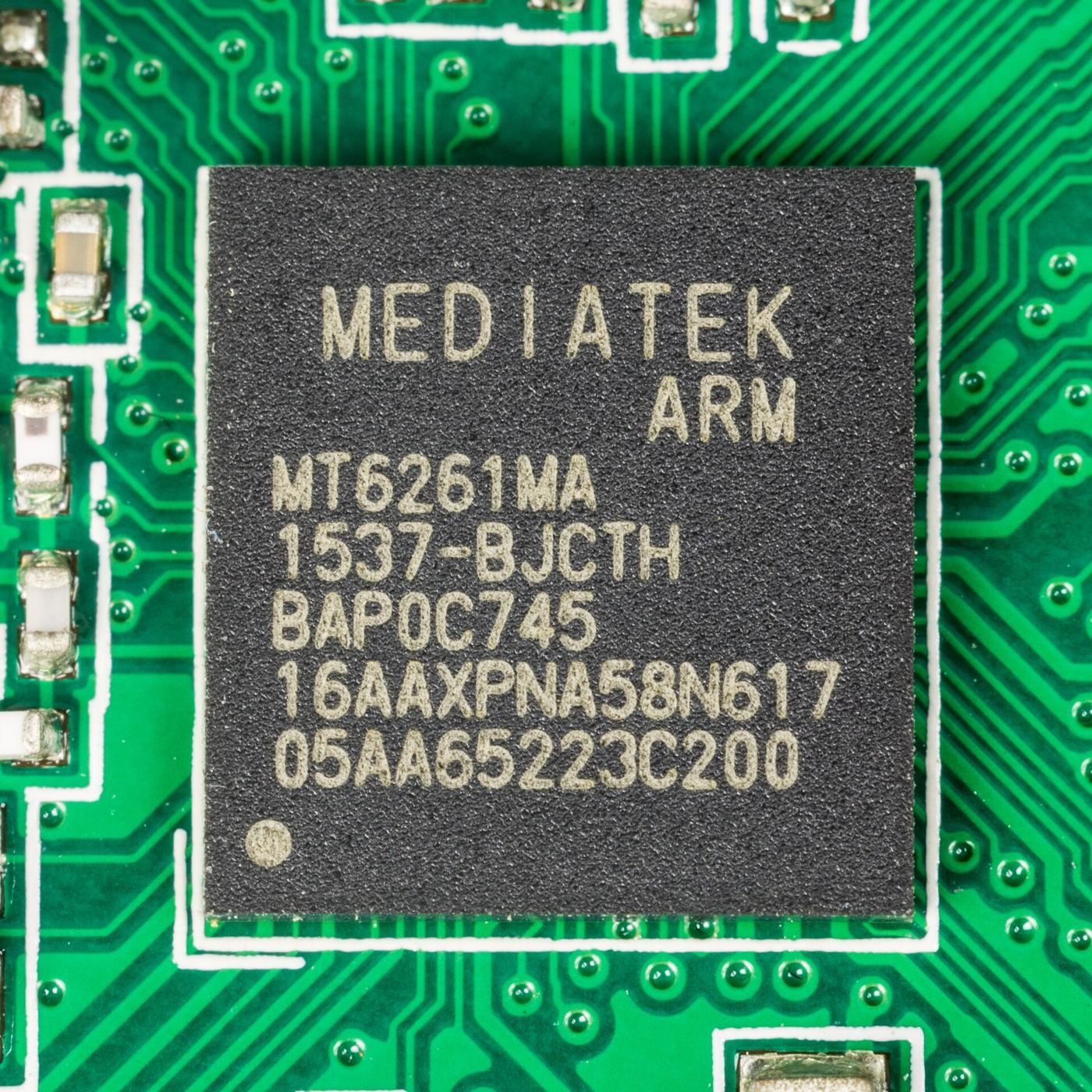
The race between smartphone chip makers is shifting from raw speed toward efficiency, as artificial intelligence features move onto the phone itself. Recent benchmark programmes measure how processors handle tasks people actually use: transcribing voice notes, summarising messages, enhancing photographs, translating conversations and searching images by description. Running these jobs locally avoids sending personal data to distant servers and works without a connection, but only if the chip can do the maths without draining the battery or overheating in the hand. Modern designs therefore combine general processors with specialised neural accelerators and graphics units, scheduling each task onto whichever block completes it using the least energy. Independent testing increasingly reports results in tasks per watt alongside raw speed, revealing that the fastest chip is not always the most efficient one. Thermal behaviour matters too, since a phone that sprints for thirty seconds then slows sharply may serve a long video edit or extended translation session worse than a steadier, nominally weaker rival.
What the Evidence Shows
For buyers, efficiency benchmarks translate into practical differences that are easier to understand than transistor counts. A more efficient chip can offer the same AI features with longer battery life, or run richer features within the same daily charge, and it allows slimmer phones to avoid throttling during demanding work. Software plays an equal part: well-optimised models quantised to run on neural hardware can outperform larger models running inefficiently, which pushes chip firms to work closely with app developers. There is also an environmental dimension, because billions of phones performing AI tasks locally shift energy use from data centres to devices, and efficiency determines whether that shift helps or harms overall consumption. Reviewers caution that synthetic benchmarks still struggle to capture real-world variety, from accents in transcription to lighting in photographs. The most trustworthy assessments therefore combine laboratory measurements with everyday use over full days. As AI becomes a standard expectation of a phone rather than a headline extra, efficiency is becoming the specification that matters most. Reporting and analysis from sources such as Wired track the same developments, and specialists following efficiency gains in smartphone chips for AI tasks say the direction is now consistent across independent lines of evidence.
The Wider Context
The wider context is an industry learning to ship capability and restraint together. Products built around efficiency gains in smartphone chips for AI tasks now launch with safety evaluations, usage data and rollback plans as standard, because enterprise buyers and regulators ask for them in the first meeting. Companies that treated those questions as friction are discovering they have become the purchase criteria.
What Happens Next
What happens next for efficiency gains in smartphone chips for AI tasks depends less on another breakthrough than on the unglamorous work of reliability, pricing and support. The buyers evaluating it now are not enthusiasts; they are operators with budgets and auditors, and their checklists will decide the timeline. On the evidence of the current pilots, the technology has earned the right to be judged by them. You can follow related developments in our coverage of technology.
None of this will be settled by a single announcement, study or product launch. The pattern to watch is accumulation: independent confirmations, honest reporting of failures and steady improvement in the underlying numbers. Readers who follow those signals, rather than the loudest claim of the week, will understand this subject better than most of the commentary surrounding it suggests is possible.
