

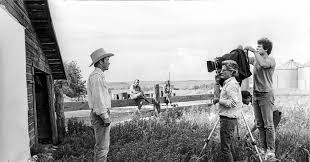
Created in collaboration with the Richard Avedon Foundation, Avedon delivers an intimate and respectful look at one of the most influential American photographers of the twentieth century. Director Ron Howard gains access to an extensive archive of photographs, home videos, and interviews, crafting a detailed portrait of Richard Avedon’s artistic brilliance, relentless perfectionism, and complicated personal life. The documentary not only celebrates his achievements but also explores the emotional pressures and family tragedies that shaped him.
The film stands as an important addition to the growing collection of acclaimed photography documentaries, alongside works like Finding Vivian Maier, The Salt of the Earth, and Tish. Its Cannes Special Screening presentation further highlights its prestige and broad appeal for documentary audiences worldwide.
One of the documentary’s greatest strengths is its ability to let Avedon speak for himself. Through archival interviews, he reflects on his creative process, ambitions, and personal struggles, allowing viewers to understand the man behind the camera. The film follows his six-decade career in chronological order while still making room for thoughtful commentary from family members, colleagues, models, and cultural figures, including Lauren Hutton, Isabella Rossellini, Calvin Klein, and Twiggy.
Rather than relying heavily on narration, Howard wisely allows Avedon’s photography to take center stage. His iconic portraits captured the glamour, elegance, and cultural energy of post-war America. The documentary showcases unforgettable images of legendary figures such as Katharine Hepburn, Humphrey Bogart, Pablo Picasso, Ella Fitzgerald, and Ronald Reagan, emphasizing the extraordinary reach of his career.
Avedon’s signature style often featured subjects against a plain white background, stripping away distractions to create a direct emotional connection. Behind-the-scenes footage reveals his energetic and charming personality as he guided subjects into moments of honesty and vulnerability. His photographs often captured individuals when their public personas slipped away. The documentary highlights memorable examples, including a tired and emotionally distant Marilyn Monroe and a tense portrait session with the Duke and Duchess of Windsor.
The film also explores how Avedon’s work evolved beyond fashion photography into social and political commentary. After photographing Dior’s revolutionary post-war collection in Paris in 1947, he became known for blending beauty with deeper cultural observations. His later work documented major historical moments, including the Civil Rights movement, counterculture protests, and influential public figures connected to The Factory and the Chicago Seven trial. Even late in life, Avedon remained passionately committed to photography until his death in 2004.
While the documentary largely admires its subject, it does not completely ignore the darker aspects of his personality. Avedon himself admitted he could be emotionally difficult, and the film touches on the complicated relationship with his demanding father as well as the heartbreaking mental health struggles of his sister Louise, who was later diagnosed with schizophrenia. These personal experiences deeply influenced some of his most emotional and revealing family portraits.
The documentary is polished and elegantly edited, maintaining a smooth pace throughout. Though its tone is often reverential, Avedon successfully explains why Richard Avedon remains one of the most important photographers in modern history. The film presents him as an artist who felt most powerful and authentic behind the lens of a camera.
FAQS
What is Avedon about?
Avedon is a documentary that explores the life, career, and artistic legacy of legendary photographer Richard Avedon through interviews, archival footage, and iconic photographs.
Who directed the documentary Avedon?
The documentary was directed by Ron Howard, known for creating compelling biographical and historical films.
Why is Richard Avedon considered influential?
Richard Avedon revolutionized fashion and portrait photography with his minimalist style, emotional depth, and ability to capture authentic human expressions.
What makes Avedon’s photography unique?
His photography often used plain white backgrounds and focused on revealing the personality and emotions of his subjects without distractions.
Does the documentary cover Avedon’s personal life?
Yes, the film explores his family relationships, emotional struggles, and the personal experiences that shaped his artistic vision.
Which famous personalities appear in the documentary?
The documentary includes commentary and archival appearances from cultural figures such as Lauren Hutton, Isabella Rossellini, Calvin Klein, and Twiggy.
Is Avedon worth watching for non-photographers?
Yes, the documentary is engaging even for viewers unfamiliar with photography because it combines art, history, fashion, and personal storytelling in a compelling way.
Conclusion
Avedon is more than a standard biography; it is a thoughtful exploration of creativity, ambition, and human vulnerability. Through rare archival material and powerful photography, the documentary captures both the brilliance and complexity of Richard Avedon’s life. Ron Howard’s direction ensures that the focus remains on the artistry that transformed fashion and portrait photography forever. For photography enthusiasts, documentary lovers, and anyone interested in cultural history, Avedon offers an engaging and emotionally resonant viewing experience that proves why the photographer’s legacy still matters today.
